
Is it safe for dogs to swim in lakes and rivers? Sometimes yes, it is, but with important precautions. Lakes and rivers can provide wonderful exercise and relief from the heat, but they also carry risks such as bacteria, parasites, strong currents, and hidden debris. The following blog will help you better understand the potential dangers and how to recognize safe swimming spots, so you can protect your pet while letting them enjoy the water during the warmer months of the year.
The Appeal of Lakes and Rivers for Dogs
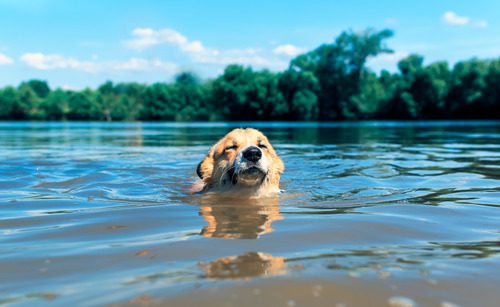
Swimming is a natural activity for many dogs. Whether they are chasing after a ball, cooling off on a hot day, or simply splashing for fun, lakes and rivers can seem like the perfect playground. For dogs who love to swim, it can be a healthy way to burn energy and stay fit. However, before allowing their pet to dive in, pet owners might wonder, is it safe for dogs to swim in lakes and rivers? Natural bodies of water are not always as safe as they look, and being aware of the conditions makes all the difference.
Common Water Safety Concerns
When considering water safety for your pet, several hazards should be on your radar. These potential risks range from environmental issues to hidden physical dangers.
Bacteria and Parasites
Stagnant or slow-moving lakes and rivers can harbor bacteria and parasites. Organisms such as blue-green algae, giardia, and leptospira thrive in warm, shallow, or contaminated water. Exposure can pose health risks for dogs who drink while swimming or lick their fur afterward. While some lakes may look clear, microscopic organisms can still be present.
Water Quality Issues
Not all lakes and rivers are monitored for water quality. Agricultural runoff, sewage leaks, or chemical spills can contaminate natural swimming areas. Asking if it is safe for dogs to swim in lakes and rivers should always include checking for posted advisories or signs about pollution. If you notice an odd smell, dead fish, or unusual water color, it’s best to avoid letting your dog swim.
Hidden Debris and Hazards
Natural waters often conceal sharp sticks, rocks, broken glass, or fishing hooks. These items can cut paws or cause injuries. Strong currents in rivers may also be underestimated and can quickly overwhelm a dog, even if they are a strong swimmer.
Seasonal Factors to Consider
Safety depends on the time of year as well as the location. Pet owners in Marietta, GA, for example, often visit nearby lakes and rivers during warm months. But is it safe for dogs to swim in lakes and rivers in every season? Not always.
Summer Hazards
Hot weather raises water temperatures, which allows harmful bacteria and algae to multiply. Cyanobacteria, also known as blue-green algae, often bloom in stagnant or warm lakes during the summer. These blooms can be toxic for dogs and should always be avoided.
Spring and Fall Concerns
Heavy rains in spring can increase river currents and wash pollutants into lakes. In fall, decaying plant matter can affect water quality. Always take seasonal changes into account when asking if it is safe for dogs to swim in lakes and rivers.
Winter and Cold Water
Cold water carries its own risks. Prolonged exposure to icy water can lower a dog’s body temperature quickly, making swimming dangerous. Even breeds that love the cold can become chilled faster than expected.
How to Identify Safer Swimming Spots
Knowing where to go is just as important as knowing the risks.
Look for Monitored Recreation Areas
Some lakes have designated dog-friendly swimming zones with regular water quality checks. These areas are more likely to be free of contamination and hazards.
Observe the Environment
Pay attention to the shoreline, the clarity of the water, and the presence of wildlife. If ducks and geese frequent the area, higher levels of bacteria may be present. If you see lots of trash or fishing activity, hidden dangers like hooks may be lurking.
Check Local Advisories
Before visiting popular lakes or rivers, check if local authorities have posted advisories about water safety. Many counties, including areas around Marietta, provide updates online.
Risks of Drinking from Lakes and Rivers
Dogs often drink water while they swim, but this is another reason pet owners must ask, is it safe for dogs to swim in lakes and rivers? Even clear-looking water may contain harmful organisms or pollutants. Dogs that drink from rivers and lakes risk ingesting parasites, algae toxins, or chemicals that can upset their health. Bringing fresh water from home is always the better option.
Safety Tips for Dogs Who Love to Swim
If your dog loves swimming, you can take steps to reduce risks while still enjoying the activity.
- Supervision Is Key: Always stay close and keep your dog within sight. Even confident swimmers can get tired or caught in currents.
- Provide a Life Vest: Dog life vests help keep pets afloat, especially in deeper or moving waters. They also make it easier to spot and guide your pet back to shore.
- Rinse After Swimming: Rinsing your dog after a swim helps wash off bacteria, algae, and debris that may cling to their fur. It also prevents them from licking off contaminants.
- Avoid Blue-Green Algae: If you see scummy green, blue, or brown patches floating on the water, avoid the area entirely. Blue-green algae can be harmful, and the risk isn’t worth it.
The Role of Location: Lakes vs. Rivers
While both provide opportunities for swimming, the risks differ. This makes the question: “Is it safe for dogs to swim in lakes and rivers?”, a little more complex.
Lakes
Still water in lakes may be warmer and more likely to harbor bacteria, algae, or parasites. Shallow areas, especially near shorelines, carry the highest risk.
Rivers
Rivers are constantly moving, which can dilute some contaminants, but they bring their own dangers. Currents can sweep dogs away, and fluctuating water levels may make once-safe areas dangerous after heavy rain.
Is It Time to Call Your Veterinarian at Mills Animal Hospital?
If your dog shows unusual symptoms after swimming, it’s always best to contact your veterinarian. Asking if it is safe for dogs to swim in lakes and rivers is not only about prevention but also about being prepared if issues arise. Symptoms such as lethargy, vomiting, coughing, or difficulty breathing warrant professional care. Mills Animal Hospital in Marietta, GA, is here to support you. Call us at (770) 988-6698 or book an appointment if you have any concerns.