
Finding a tick in a dog’s ear is unsettling for any pet owner. Ticks are parasites that feed on blood and prefer warm, hidden spots where they can go unnoticed. The ear, with its folds and sensitive skin, provides the perfect place for a tick to attach. While it may seem like a small issue, a tick in this location should always be taken seriously. Professional veterinary care is the safest way to remove the tick, protect your dog’s health, and prevent possible complications. If you find a tick in your dog’s ear, call Mills Animal Hospital in Marietta, GA at (770) 988-6698, so we can offer guidance or schedule an appointment to help.
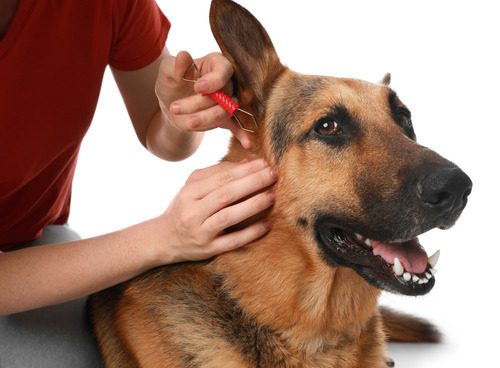
Why Ticks Choose the Ears
Ticks thrive in areas where they are less likely to be disturbed. A dog’s ear offers shelter, warmth, and easy access to blood vessels. This makes it one of the most common places to discover ticks during an exam.
Hidden Placement
Because the inside of the ear flap or ear canal isn’t always easy to see, a tick in a dog ear can remain hidden for longer than ticks on other parts of the body. By the time pet owners notice, the tick may already be engorged.
Increased Sensitivity
The skin in the ear is delicate, meaning even a single tick can cause irritation, redness, and discomfort. Dogs often react strongly to this irritation by shaking their head or pawing at their ears.
Risk of Disease
Ticks carry pathogens that may be transmitted through their bite. A tick feeding in a sensitive spot like the ear increases concern, as it can be difficult to detect early signs of tick-borne illness without a veterinary exam.
Signs of a Tick in Dog Ear
Spotting a tick in a dog ear isn’t always straightforward. Some pets show clear signs of irritation, while others act normally despite the presence of a tick.
Behavioral Changes
- Head shaking that doesn’t stop
- Scratching or rubbing the ear against furniture or the ground
- Whining, restlessness, or irritability
Physical Clues
- A dark bump inside the ear flap or canal
- Redness, swelling, or inflammation
- Scabs, dried blood, or discharge
- A tick that appears gray, brown, or engorged
If you see or suspect any of these signs, schedule an appointment with your veterinarian right away.
Why Professional Removal Is Essential
Attempting to remove a tick in a dog ear at home can create more problems than it solves. The ear canal is delicate, and without proper tools, there’s a risk of injuring your dog or leaving part of the tick behind.
Risks of DIY Removal
- Embedded tick parts can cause infections
- Tugging at the tick may tear skin inside the ear
- Chemical “remedies” can damage ear tissue
How Veterinarians Handle Tick Removal
Your veterinarian has the right equipment to remove ticks carefully and completely. They can also clean the ear afterward to reduce the risk of secondary infections and check your dog for additional ticks on the body.
How Vets Check for Tick-Borne Illnesses
Ticks can spread disease within hours of attaching. When you bring your pet in for a tick in the ear, your veterinarian may recommend diagnostic testing.
Common Diseases in Georgia
- Lyme disease: Can cause lameness, fever, and swollen joints
- Ehrlichiosis: May lead to lethargy, weight loss, and bleeding disorders
- Anaplasmosis: Often results in joint pain, fever, and loss of appetite
Diagnostic Approaches
- Full physical exam
- Bloodwork to detect antibodies or abnormal blood cell counts
- Follow-up testing to monitor for delayed symptoms
Even if your dog appears healthy, it’s wise to discuss preventive steps with your veterinarian after finding a tick.
Preventing Ticks on Dogs
Prevention is always better than dealing with a tick in dog ear after the fact. By combining veterinary-recommended products with routine checks, you can greatly reduce your dog’s risk of tick exposure.
Veterinary-Recommended Preventives
Your veterinarian may suggest:
- Oral medications: Monthly chewable tablets that kill ticks after they bite
- Topical treatments: Applied to the skin to repel and kill ticks
- Collars: Long-lasting options that release tick-repelling chemicals over time
Each dog’s needs are different, so professional guidance ensures your pet receives safe and effective protection.
Routine Checks at Home
After outdoor activities, make it a habit to check your dog’s:
- Ears and under the collar
- Between toes and paw pads
- Groin and under the tail
- Around the eyes and under the chin
The earlier a tick is found, the lower the risk of disease transmission.
Yard and Outdoor Control
Ticks thrive in tall grass, wooded areas, and damp environments. To help reduce risk:
- Keep your lawn trimmed and free of leaf litter
- Create barriers between wooded areas and play spaces
- Consider professional pest control if ticks are a frequent problem
Common Tick Species in Georgia
Georgia’s climate makes it a hotspot for tick activity. Knowing which species are most common can help pet owners stay alert.
Lone Star Tick
Easily identified by the white dot on the female’s back, this tick is widespread in the Southeast. It can transmit ehrlichiosis and other illnesses.
American Dog Tick
Frequently found in grassy fields, this species may spread Rocky Mountain spotted fever.
Brown Dog Tick
Known for infesting kennels and homes, this tick can live indoors and cause ongoing infestations if not addressed. Each of these species may be encountered in Marietta, GA, and all are capable of causing discomfort and health risks if found in your dog’s ear.
When to Contact Your Marietta Veterinarian
If you discover a tick in a dog ear, contacting your veterinarian at Mills Animal Hospital is always the right decision. Even if your pet seems comfortable, the potential risks make professional care the safest choice.
Call for Veterinary Help If:
- The tick is embedded inside the ear canal
- Your dog continues shaking its head or scratching
- Multiple ticks are present
- Your dog shows signs of illness such as fever, loss of appetite, or lethargy
Prompt veterinary attention ensures that the tick is removed safely and your pet receives any follow-up care needed.
Protecting Pets in Marietta, GA
Ticks are a year-round concern in Georgia, especially in wooded neighborhoods and during warm months. At Mills Animal Hospital, we help local pet owners manage tick prevention, detect infestations, and provide safe tick removal when needed. If you’ve found a tick in your dog’s ear, call us at (770) 988-6698 or book an appointment online. Our veterinary team is here to support your dog’s comfort and long-term health.