
Most cats need about 10 to 14 days to fully recover from a spay, although many start acting like themselves within two or three days. Cat spay recovery time depends on your cat’s age, overall health, and how closely the household sticks to the activity limits set by the veterinary team.
Bringing your cat home after surgery can feel a little nerve-wracking, especially if she seems groggy or quieter than usual. Knowing what to expect during each stage of healing makes the whole process far less stressful for both of you. At Mills Animal Hospital in Marietta, GA, we spay cats every week, and pet owners regularly ask us how long recovery takes, where their cat should rest, and whether it’s safe to head to work. This guide walks through the typical recovery timeline, answers those common questions, and highlights the warning signs that call for a quick phone call.
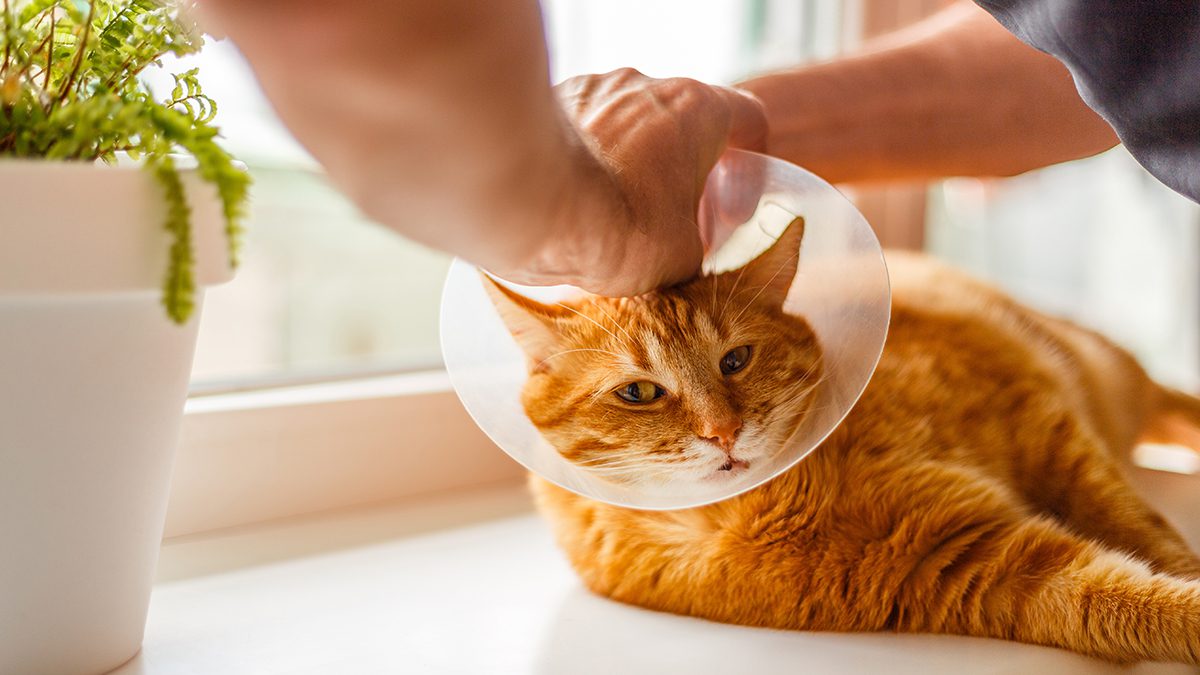
What Does the Cat Spay Recovery Timeline Look Like Day by Day?
Every cat heals at her own pace, but most follow a fairly predictable pattern. Here’s a general look at how recovery time typically unfolds.
The First 24 Hours
Anesthesia can linger in your cat’s system for the rest of surgery day. She may wobble when she walks, sleep more than usual, or show little interest in food. Some cats feel mildly nauseous, and many simply want to hide somewhere quiet. This drowsy phase usually fades by the next morning. Your veterinary team will explain when to offer food and water once she’s home, so follow those directions closely.
Days 2 Through 3
Your cat’s appetite and energy often return during this window. She might start grooming, exploring, and seeking attention again. Mild swelling or slight redness along the incision is common at this stage. For many owners, this is the first point when their pet seems noticeably brighter and more engaged.
Days 4 Through 7
Many cats feel so good by now that they want to jump, climb, and play. This is exactly when owners need to stay watchful, because the internal tissue is still knitting together even though your cat seems back to normal. Too much activity during this part of recovery timeline can lead to swelling, fluid buildup, or a reopened incision.
Days 10 Through 14
By the end of the second week, most incisions have closed well. If your cat has external stitches or skin staples, your veterinarian typically checks the site and removes them around this time. A recheck is the best way to confirm she’s cleared for her usual routine.
How the Tissue Heals Beneath the Surface
Healing happens in layers. In the first few days, the body sends inflammatory cells to clean the site. Over the following week, new tissue fills in and the incision edges seal. Internal sutures slowly dissolve over several weeks after that, which explains why the full recovery time extends well beyond the point when your cat starts feeling better.
Can I Leave My Cat Alone After She’s Been Spayed?
Short answer: yes, after the first day or so, but supervision matters most early on. The night after surgery, plan to stay home and check on your cat periodically while the anesthesia wears off.
Leaving Home During the First Few Days
Once your cat is alert, walking steadily, and eating, leaving her alone for a regular workday is generally reasonable. The bigger concern is what she might do while unsupervised. A cat left alone may lick at her incision, slip out of her protective cone, or leap onto high furniture. Before you leave, confirm that her cone or recovery suit fits as your veterinarian showed you and that her space is set up to discourage climbing.
What About Other Pets?
Even the friendliest housemates can cause trouble during your cat’s spay recovery. A playful dog or a curious feline sibling may wrestle with your cat, sniff at her incision, or provoke a chase. Many owners separate their recovering cat from other animals whenever no one is home to referee. Reintroducing housemates gradually once she’s cleared at her recheck tends to go more smoothly than an immediate return to group play.
If you work long shifts or travel frequently, ask the Mills Animal Hospital team about the safest arrangement for your situation. We can help you plan ahead so your cat gets the rest she needs.
Where Should My Cat Sleep After Being Spayed?
A small, quiet, comfortable space gives your cat the best environment for healing. Confining her to one room limits jumping and running, which reduces strain on the incision. A calm setting also helps her rest deeply, and quality sleep plays a real role in shortening spay recovery time.
Setting Up a Recovery Room
A spare bedroom, bathroom, or large crate can all work well. When preparing the area, consider including:
- A soft, low bed or folded blanket she can step onto without jumping
- Food and water bowls placed within easy reach
- A litter box with low sides so she doesn’t have to climb
- A covered hiding spot, like a box on its side, for a sense of security
- Comfortable room temperature away from drafts and direct heat
Spaces to Avoid
Skip rooms with tall cat trees, open shelving, or windowsills she likes to perch on. Busy areas with loud noises, children running through, or frequent foot traffic can also make it harder for her to settle. Sleeping in your bed may seem cozy, but the jump up and down can stress a fresh incision, so a floor-level option is usually the better choice for the first week or two.
Your veterinary team may give specific recommendations based on your cat’s personality and the details of her procedure, so follow those discharge instructions first.
How Long Are Female Cats in Pain After Being Spayed?
Most cats experience the most discomfort during the first 24 to 48 hours, with noticeable improvement within three to five days. By the end of the first week, the majority show little sign of pain at all. Younger cats often bounce back faster, while cats spayed during a heat cycle or while carrying extra weight may feel sore a bit longer, which can extend the overall recovery time.
How Veterinarians Manage Post-Surgical Pain
Pain control typically begins before surgery even starts. Many veterinarians give pain relief as part of the anesthetic plan and may send medication home for the first several days. Never give your cat human pain relievers, which can be extremely toxic to cats. Only use medications prescribed by your veterinarian, exactly as directed.
Recognizing Discomfort in Cats
Cats instinctively hide pain, so the clues can be subtle. Watch for behaviors such as:
- Hunching or sitting in a tucked, tense posture
- Squinting eyes or a furrowed brow
- Hiding and avoiding interaction for longer than usual
- Growling, hissing, or flinching when touched near the belly
- Skipping meals beyond the first day
If these signs continue past the first few days or seem to get worse, your cat’s pain may not be well controlled. Discomfort that lasts longer than expected can stretch out your cat’s recovery, so reach out to your veterinarian rather than waiting it out.
Red Flags That Call for a Vet Visit During Recovery
A smooth cat spay recovery is the norm, but certain changes need prompt veterinary attention. Contact your veterinarian right away if your cat shows any of these concerns:
- An incision that opens, oozes pus, or develops a bad odor
- Spreading redness, heat, or swelling that grows instead of shrinking
- Pale gums, weakness, or collapse
- Refusing food for more than 24 hours, or repeated vomiting
- Trouble urinating or no litter box use for a full day
Please don’t try to clean, bandage, or treat an incision problem at home. A professional exam is the fastest way to find out what’s going on. If you have questions about your cat’s recovery or notice anything that seems unusual, call Mills Animal Hospital in Marietta, GA, at (770) 988-6698. Our team is happy to talk through your concerns and see your cat for a recheck whenever you need us.