
In many cases, yes. A small, firm cat spay incision lump that appears in the days or weeks after surgery is usually a normal part of healing, caused by your cat’s body reacting to internal sutures or building new tissue. Still, some lumps signal a problem that needs a veterinarian’s attention, so knowing the difference matters. Spaying is one of the most common surgeries cats undergo, and most kitties bounce back quickly. Even so, many owners feel a jolt of worry the first time they run a hand along their cat’s belly and discover a lump under the skin.
At Mills Animal Hospital in Marietta, GA, we hear this question often, and we understand why it causes concern. This guide explains what causes these lumps, what a healthy healing site typically looks like, how long fluid swelling tends to stick around, and which warning signs mean it’s time to call us.
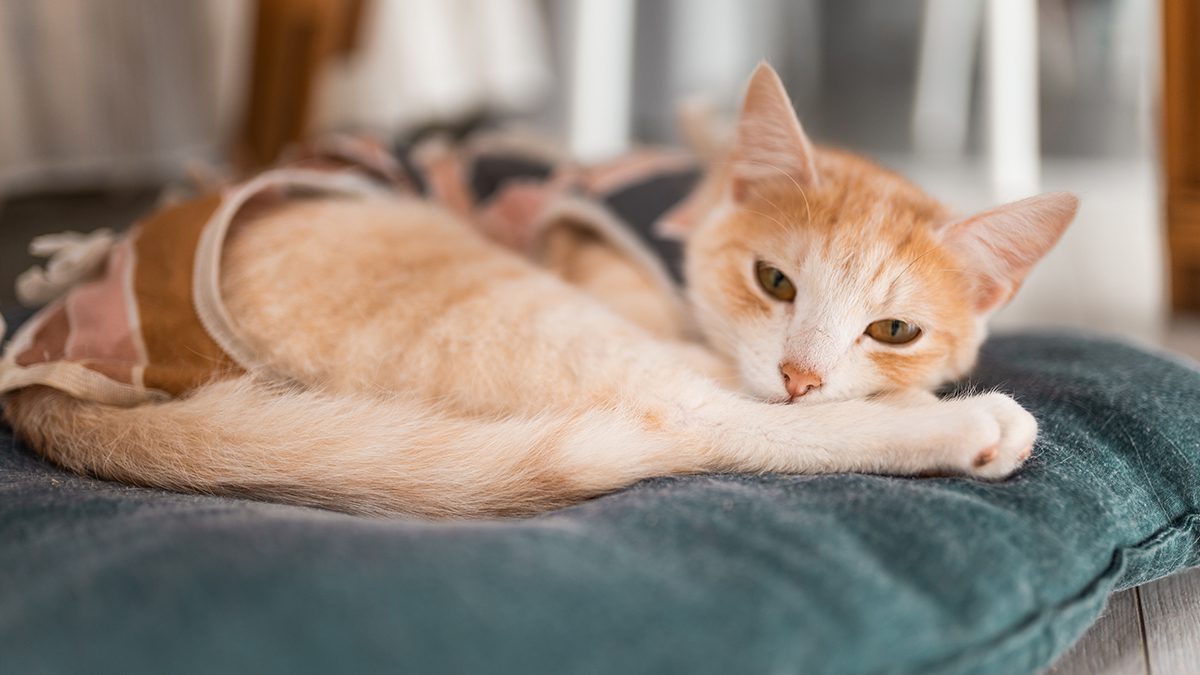
Why Is There a Lump Under My Cat’s Spay Incision?
Several things can cause a bump to form beneath a healing incision, and most of them are harmless. Understanding the source can help you decide how closely to watch the area.
Suture Reaction
During a spay, your veterinarian closes the abdominal wall and the tissue beneath the skin with absorbable sutures. These stitches dissolve over time, and as they break down, the body sends immune cells to the area. That inflammatory response often creates a firm, raised ridge or knot right along the incision line. This type of incision lump is the most common one owners notice, and it typically shrinks as the sutures dissolve.
Scar Tissue Formation
Healing tissue doesn’t lie perfectly flat. As your cat’s body knits the incision closed, it lays down collagen, which can feel thick or bumpy under your fingertips. Some cats simply build more scar tissue than others, which can make the lump feel more pronounced.
Seroma
A seroma is a pocket of clear fluid that collects in the space under the skin. Cats that are very active too soon after surgery are more prone to them because movement creates friction between tissue layers.
Less Common Causes
Occasionally, a lump points to something that needs professional evaluation. These include:
- Infection or abscess: bacteria entering the incision, often from licking, can create a painful, warm swelling.
- Hernia: if internal sutures loosen, abdominal contents can push through the muscle wall and form a soft bulge.
- Suture granuloma: a stronger-than-usual immune reaction to stitch material can form a persistent nodule.
What Does a Normal Cat Spay Incision Lump Look Like?
A harmless incision lump has a few telltale traits that set it apart from one that needs medical care. Getting familiar with these features helps you check the area with more confidence.
Most normal bumps feel firm, smooth, and about the size of a pea or small marble. They sit directly under or along the incision line rather than off to one side. Your cat shouldn’t flinch or cry when you gently touch the area, and the skin over the bump should look close to its usual color, perhaps slightly pink in the first few days.
Signs of a Healthy Healing Incision
A lump that’s part of normal recovery usually comes with an incision that:
- Has edges that stay closed and lined up neatly
- Shows little to no discharge after the first day or two
- Looks a bit less red and swollen each day
- Doesn’t feel noticeably warmer than the surrounding skin
When Does the Lump Typically Appear?
Timing can offer a helpful clue. Suture reaction bumps often show up within the first week or two, once the body starts breaking down the stitch material. Some owners don’t notice a lump until their cat’s fur begins growing back and the area becomes easier to feel.
Keep in mind that every cat heals differently. If you’re unsure whether your cat’s incision looks right, the team at Mills Animal Hospital is always glad to take a look, even if it turns out to be nothing.
How Long Does a Seroma Last After a Cat Spay?
Many seromas resolve on their own within a few weeks, as the body gradually reabsorbs the trapped fluid. The exact timeline depends on the size of the pocket and how much your cat moves around during recovery.
How a Seroma Differs From Other Lumps
Unlike a firm suture reaction, a seroma usually feels soft and squishy, almost like a small water balloon under the skin. It tends to be painless, and the skin over it often looks normal. A seroma can look larger than a typical spay incision lump, which sometimes alarms owners even though it’s usually harmless.
That said, a soft swelling isn’t always a seroma. A hernia can feel similar, and only a veterinarian can reliably tell them apart through an exam. A soft bulge that changes size when your cat moves, stands, or lies down deserves a professional look right away.
What Can Slow Seroma Resolution?
Certain factors may cause fluid to linger longer than expected. Jumping, running, rough play with other pets, and frequent licking can all irritate the tissue and encourage more fluid to collect. Following the activity restrictions your veterinarian provides at discharge gives your cat’s body the best chance to heal smoothly.
Suture reaction lumps, by comparison, can stick around longer than seromas. Because absorbable stitches take time to break down completely, a firm lump of this type may remain noticeable for several weeks to a couple of months before fading. If a seroma grows larger, becomes firm, or hasn’t improved after a couple of weeks, schedule a recheck.
What Are Bad Signs After a Cat Spay?
Most cats recover without complications, but knowing the red flags helps you act quickly if something goes wrong. Some symptoms show up at the incision itself, while others affect your cat’s overall behavior.
Warning Signs at the Incision Site
Contact your veterinarian promptly if you notice any of the following:
- Redness that spreads outward or worsens instead of fading
- Yellow, green, or cloudy discharge, or any foul smell
- Incision edges that pull apart or a visible gap in the skin
- Bleeding beyond a tiny spot in the first day
- A lump that grows quickly, feels hot, or seems painful to the touch
Changes in Your Cat’s Behavior
Cats are experts at hiding discomfort, so subtle shifts in behavior can tell you a lot. Lethargy that lasts beyond the first day or two, refusing food, vomiting, hiding more than usual, or straining in the litter box can all point to a complication. Pale gums or a swollen belly call for immediate care.
Why Licking Matters
A cat’s tongue is rough and carries bacteria, so persistent licking or chewing at the incision raises the risk of infection, can turn a harmless incision lump into a real problem, and can even reopen the wound. If your cat keeps fussing at the area despite the protective measures sent home with you, let your veterinary team know so they can recommend next steps.
Trust your instincts. You know your cat better than anyone, and if something seems off, a quick call costs nothing and offers real peace of mind.
When to See the Vet for a Cat Spay Incision Lump
Any incision lump that’s painful, growing, leaking, soft and changing in size, or paired with behavior changes needs a veterinary exam. A small, firm, painless bump that slowly shrinks usually just needs watching, but a professional opinion is always the safest route when you’re uncertain.
Avoid trying to drain, squeeze, or treat a lump at home, since this can introduce infection or worsen an underlying problem. Instead, take a clear photo of the incision each day so you can track changes and share them with your veterinarian. At Mills Animal Hospital, our team can examine the area, determine whether the lump is a normal part of healing, and recommend the right care if it isn’t.
Have questions about your cat’s recovery? Call Mills Animal Hospital in Marietta, GA, at (770) 988-6698 to schedule a recheck. We’re here to help your cat heal comfortably and get back to her curious, playful self.