
Bad signs after cat spay surgery include an incision that opens, leaks pus, or smells foul, along with spreading redness, a hot or rapidly growing lump, refusing food for more than a day, repeated vomiting, pale gums, or extreme lethargy. Any of these warrants a call to your veterinarian right away.
The good news is that most cats sail through a spay with no complications at all. Still, knowing how to tell ordinary post-surgical behavior from a genuine problem gives you confidence during those first couple of weeks at home. Our team at Mills Animal Hospital in Marietta, GA, talks with cat owners about this every day, and we’ve found that a little preparation goes a long way. Below, we break down what a typical recovery looks like, how to spot trouble at the incision, why licking matters so much, what appetite changes and vomiting can mean, and when it’s time to pick up the phone.
What Should You Expect After a Cat Spay?
Understanding normal recovery makes it much easier to recognize the bad signs after a cat spay procedures. Most changes you’ll see in the first few days are temporary and expected.
Common, Short-Lived Changes
On the evening of surgery, your cat may seem sleepy, unsteady on her feet, or uninterested in her surroundings. Lingering anesthesia causes much of this, and it typically wears off within 24 hours. A small amount of pink tinge or slight swelling around the incision during the first couple of days is also common. Many cats act a bit aloof or want extra alone time while they adjust. Some shave marks, a little bruising near the incision, or a slightly reduced energy level for a few days are also typical and rarely count as something to worry about after cat spay surgery on their own.
How Normal Differs From Concerning
The key is direction. Healthy recovery trends steadily better from one day to the next. Grogginess fades, appetite returns, and the incision looks calmer each morning. When symptoms stall, worsen, or appear suddenly after your cat seemed fine, that shift deserves attention. Comparing the incision daily, ideally with a quick photo, helps you notice subtle changes you might otherwise miss.
Your discharge paperwork from the clinic will outline specific expectations for your cat, so keep it handy throughout recovery. Most cats need roughly 10 to 14 days to heal fully, and a recheck appointment near the end of that window lets your veterinarian confirm everything looks right before your cat returns to her usual climbing and play.
What Does an Infected Spay Incision on a Cat Look Like?
Trouble at the surgical site ranks among the most common thing to worry about after your cat’s spay surgery, and catching it early makes a real difference. Here’s what to look for at the surgical site.
Signs of Infection
An infected incision often looks angrier over time rather than calmer. Watch for:
- Redness that darkens or extends well beyond the incision edges
- Thick discharge that’s yellow, green, or gray
- An unpleasant odor coming from the surgical site
- Skin that feels noticeably hot to the touch
- Tenderness that makes your cat pull away or vocalize
Is a Lump at the Incision Normal?
Often, yes. A small, firm, painless bump frequently forms as the body reacts to dissolving internal stitches, and it gradually shrinks over several weeks. A soft, fluid-filled swelling called a seroma can also develop and usually resolves on its own. However, a lump that grows quickly, feels hot, becomes painful, or changes size when your cat moves may indicate infection or a hernia and needs a professional exam.
What If the Incision Opens?
A gap in the skin, visible tissue beneath the incision, or stitches that have come loose is an urgent situation. Contact your veterinarian immediately. Avoid cleaning, covering, or applying anything to the wound yourself, since well-meaning home care can introduce bacteria or delay proper treatment. Among all the possible bad signs after cat spay procedures, an open incision is one of the most time-sensitive, so treat it as a same-day concern. Your veterinarian may ask you to bring your cat in right away so the team can assess the wound and decide on the next steps.
What Happens If My Cat Licks Her Spay Incision?
Licking is one of the biggest threats to a smooth recovery, and it’s often the hidden cause behind other complications after cat spay surgery. Cats groom instinctively, and a healing incision is an especially tempting target.
Why Licking Causes Problems
A cat’s tongue has tiny, backward-facing barbs designed to pull loose fur and debris. On a fresh incision, those barbs can irritate tissue, loosen sutures, and drag in bacteria from the mouth. Over-grooming can quickly lead to swelling, infection, or a reopened wound, all of which are things to watch for that require a veterinary visit and can lengthen the healing period.
Signs Your Cat Is Bothering the Incision
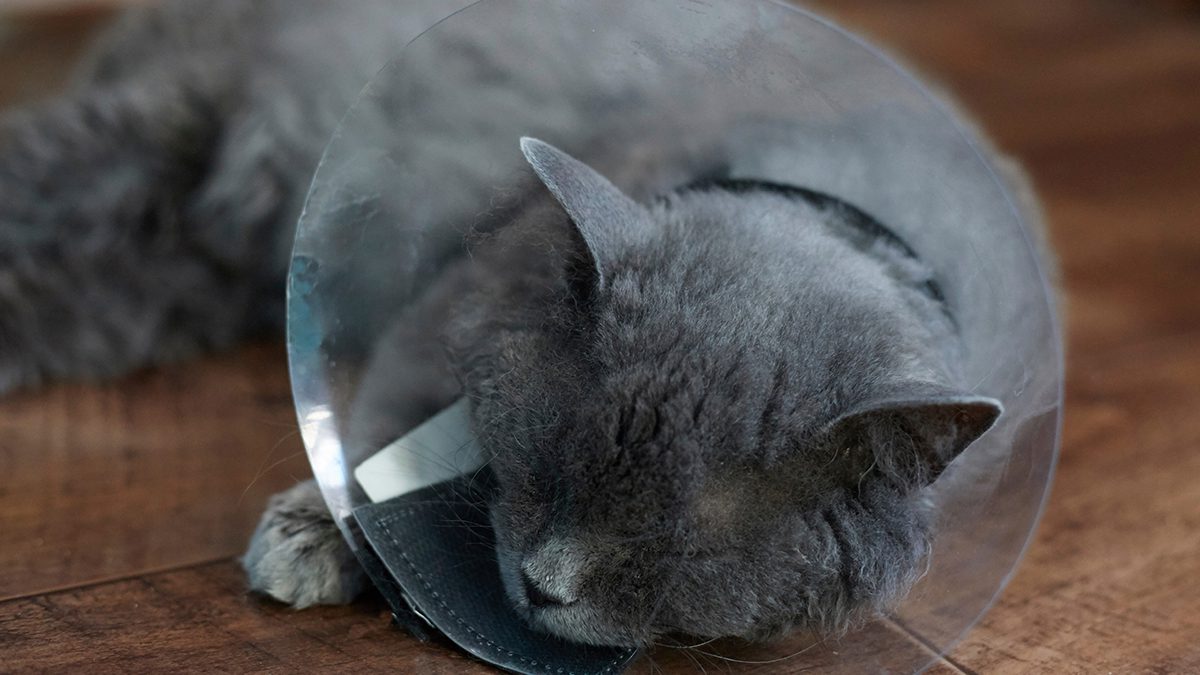
You might notice missing fur near the site, a damp or matted belly, fresh redness, or your cat contorting herself around her protective cone. Some cats are remarkably clever at slipping out of recovery gear, especially when left alone.
Protecting the Area
Most clinics send cats home with an e-collar or a recovery suit for exactly this reason. If your cat won’t tolerate what she was sent home with, seems to be reaching the incision anyway, or has already licked the area raw, call your veterinarian. They can recommend a different option and check the site for damage. Even one evening of determined licking can set healing back, so it’s worth reaching out sooner rather than later.
Why Is My Cat Not Eating or Vomiting After Her Spay?
Appetite changes and an upset stomach can be normal right after surgery, but they become concerning when they persist. Timing is the most important factor to watch when sorting normal post-surgical quirks from negative side effects after your cat’s spay.
Reduced Appetite
Anesthesia, pain, stress, and an unfamiliar recovery space can all dull your cat’s interest in food for the first day. Most cats start eating normally again within 24 hours. A cat that still refuses meals after a full day, or eats far less than usual for several days, needs veterinary attention. Cats that go without food for too long risk serious liver complications, which is why prolonged appetite loss ranks among the more significant things to watch out for.
Vomiting
An isolated episode of vomiting on surgery night can happen as anesthesia leaves the body. Repeated vomiting, vomiting that starts a day or more after surgery, or vomiting paired with lethargy, a swollen belly, or pain is different. These symptoms may point to a reaction to medication, internal complications, or another health issue, so contact your veterinarian promptly.
Other Behavior Changes Worth Noting
Pay attention to litter box habits, too. Straining, producing no urine for a full day, or diarrhea that doesn’t improve can signal a problem. Hiding constantly, unusual aggression, or a sudden lack of response to your voice also warrant a call. Because cats mask illness so well, these quieter behavior shifts can be easy to overlook, yet they’re sometimes the earliest signs of complications.
When Should I Call the Vet After My Cat Is Spayed?
Call your veterinarian if you notice any complications during your cat’s healing process, or if you simply feel unsure about something. Reach out immediately for:
- An open incision or tissue visible through the wound
- Pale or white gums, weakness, or collapse
- Labored breathing or a rapidly swelling abdomen
- No food intake for 24 hours or repeated vomiting
Less urgent concerns, such as mild swelling that isn’t improving or a cat who keeps escaping her cone, still deserve a same-day phone call so your veterinary team can decide whether a visit is needed. You never need to wait until a problem feels serious. Early concerns are usually simpler to address, and peace of mind matters during your cat’s recovery.
If you’ve spotted any of these signs after your cat’s spay surgery or have questions about how your cat is healing, call Mills Animal Hospital in Marietta, GA, at (770) 988-6698. Our team will gladly talk through what you’re seeing and schedule a recheck if needed.