
Welcome to our veterinary blog, where we cover a wide variety of pet-related topics! Be sure to check back soon for updates.

Most dogs need about 10 to 14 days for the initial dog spay recovery period. Your dog may act like herself within a few days, but her incision and internal tissues still need protected rest until your veterinarian clears her for normal activity. A spay is abdominal surgery, so recovery involves more than waiting for…
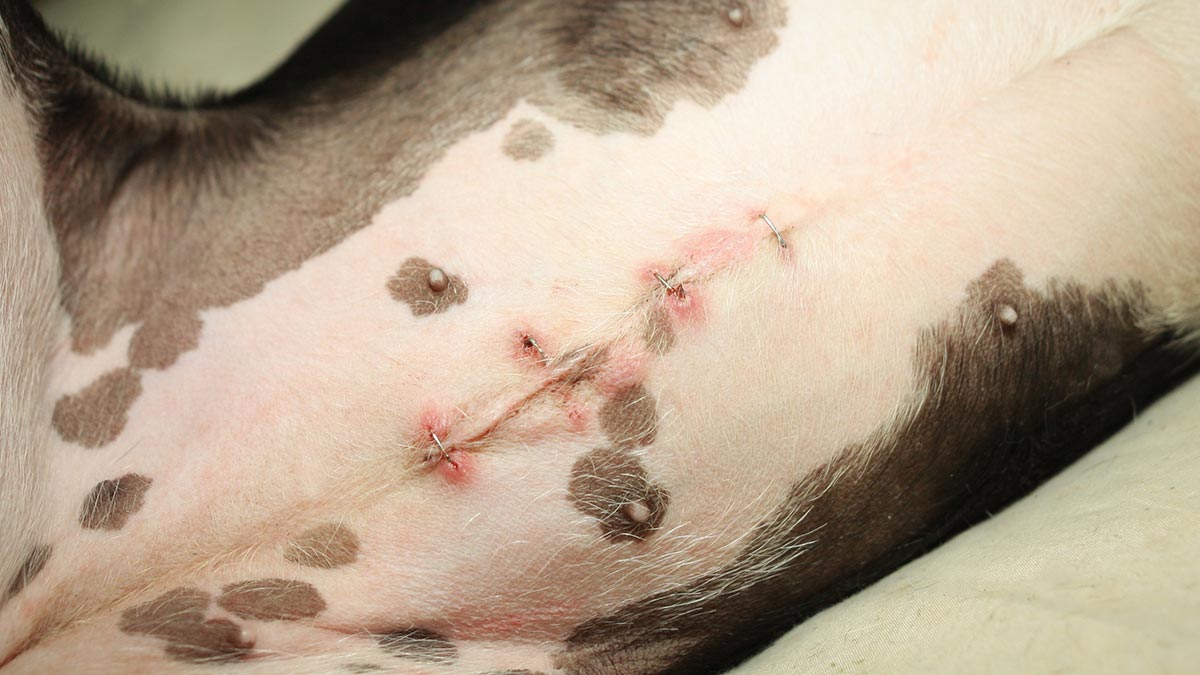
Yes, a spay scar is normal on a dog after the surgical incision heals. A healthy scar usually appears as a thin, flat line on the lower abdomen. After your dog comes home from her spay procedure, it is natural to check her belly and wonder whether the incision looks right. Knowing how a normal…
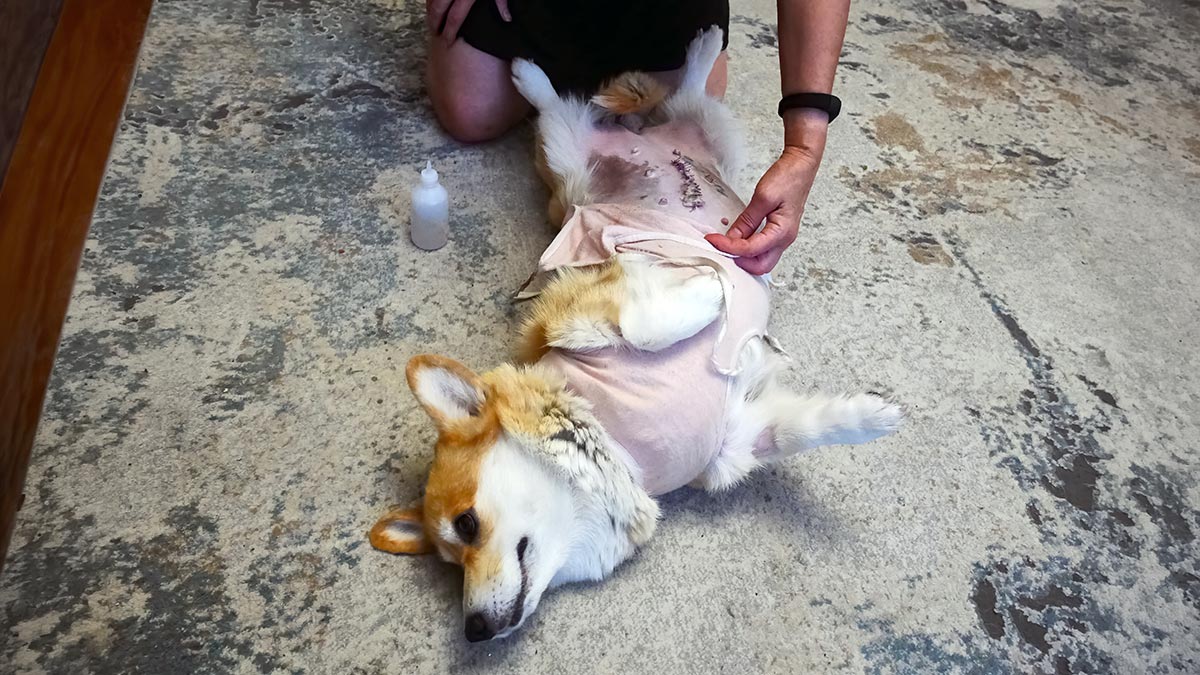
A normal spay incision on a dog should look clean, closed, and dry, with the skin edges touching. Mild pinkness, slight swelling, or light bruising may appear during the first few days, but each should gradually improve rather than become more noticeable. The appearance of a dog spay incision varies based on skin tone, body…
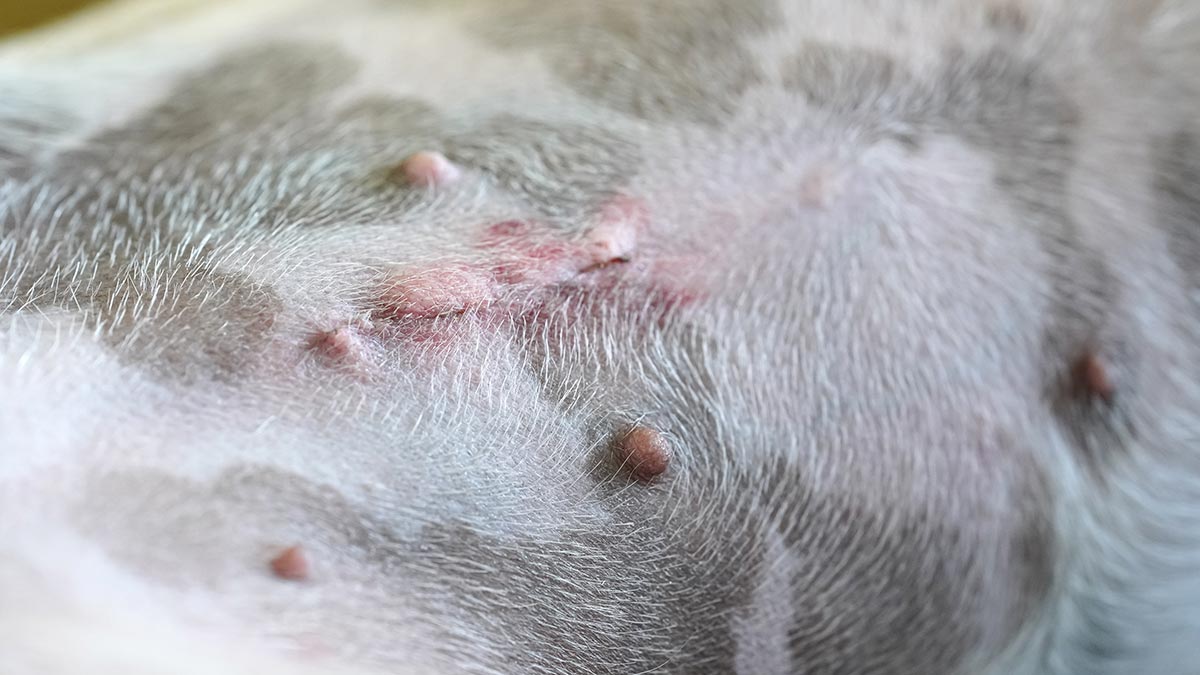
The normal dog spay incision healing process usually takes about 10 to 14 days, with mild redness, bruising, or swelling improving steadily rather than getting worse. The incision should remain closed, clean, and dry while your dog gradually returns to her usual appetite, energy, and comfort. Always follow the discharge instructions your veterinary team provided,…
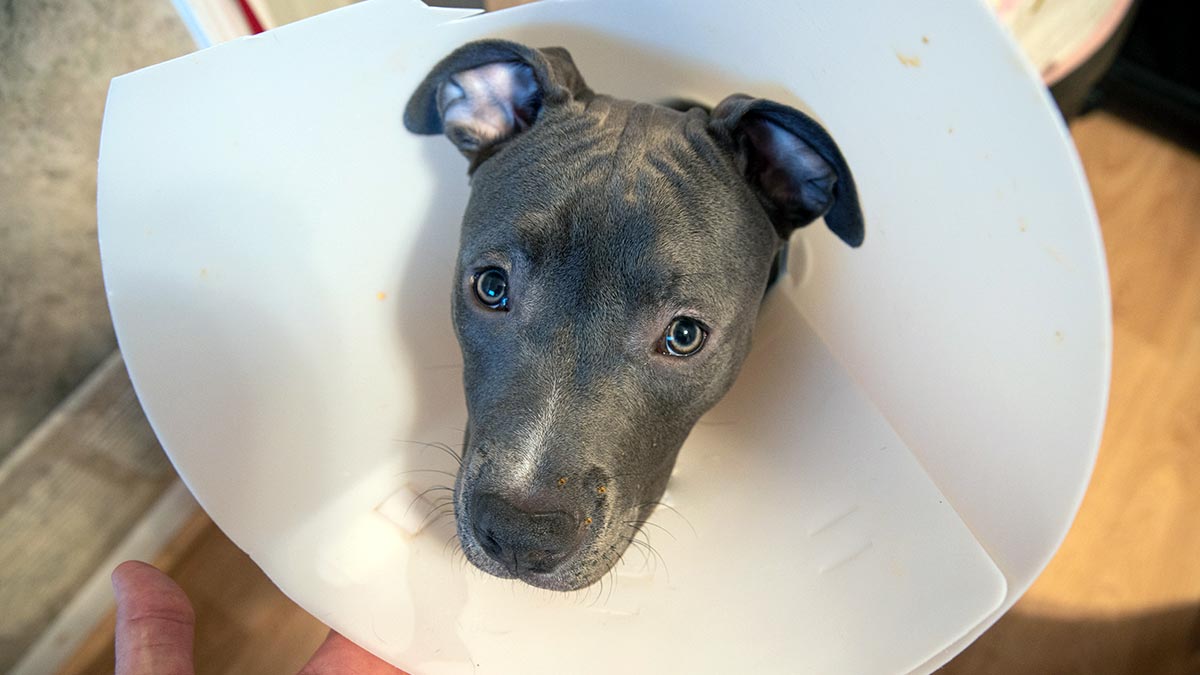
Most dogs need to wear their cone for 10 to 14 days after neuter surgery, or until the incision has fully closed and the veterinarian approves removal. Keep it on longer if your dog still tries to lick the area, the incision looks irritated, or healing takes more time than expected. The cone may seem…
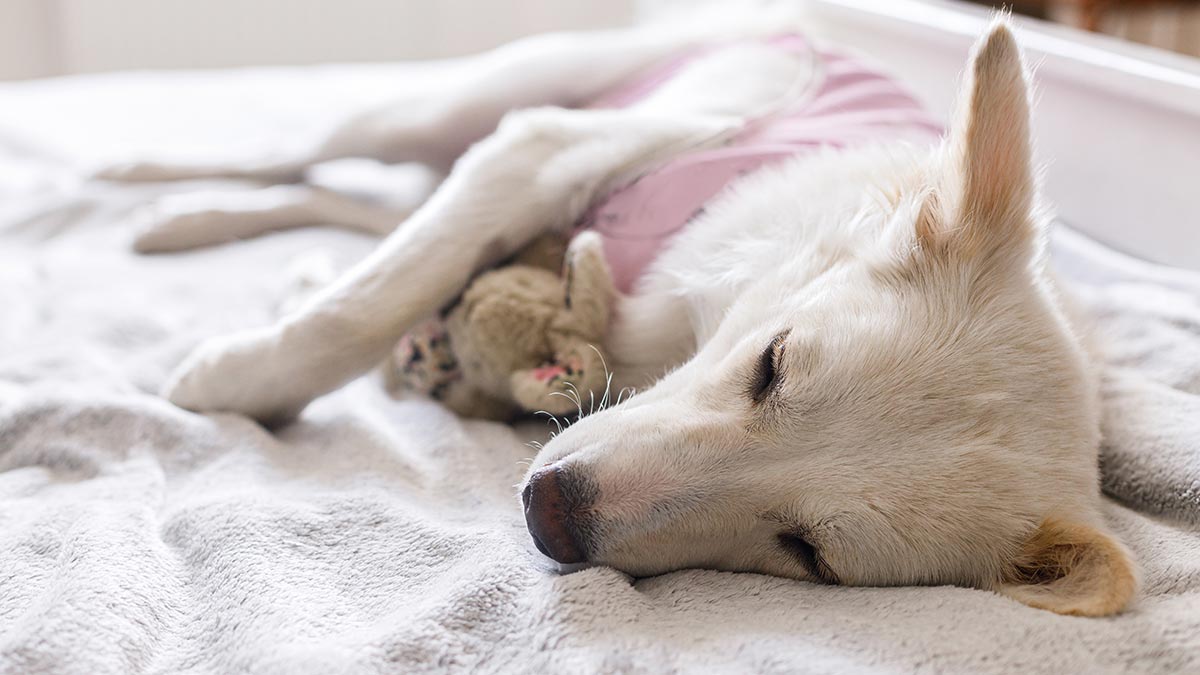
The warning signs after spaying a dog include worsening redness or swelling, active bleeding, discharge, an opening incision, repeated vomiting, severe pain, extreme lethargy, pale gums, collapse, or trouble breathing. Call a veterinarian promptly when symptoms intensify, fail to improve, or seem out of proportion to normal post-surgical recovery. A spay is a routine abdominal…
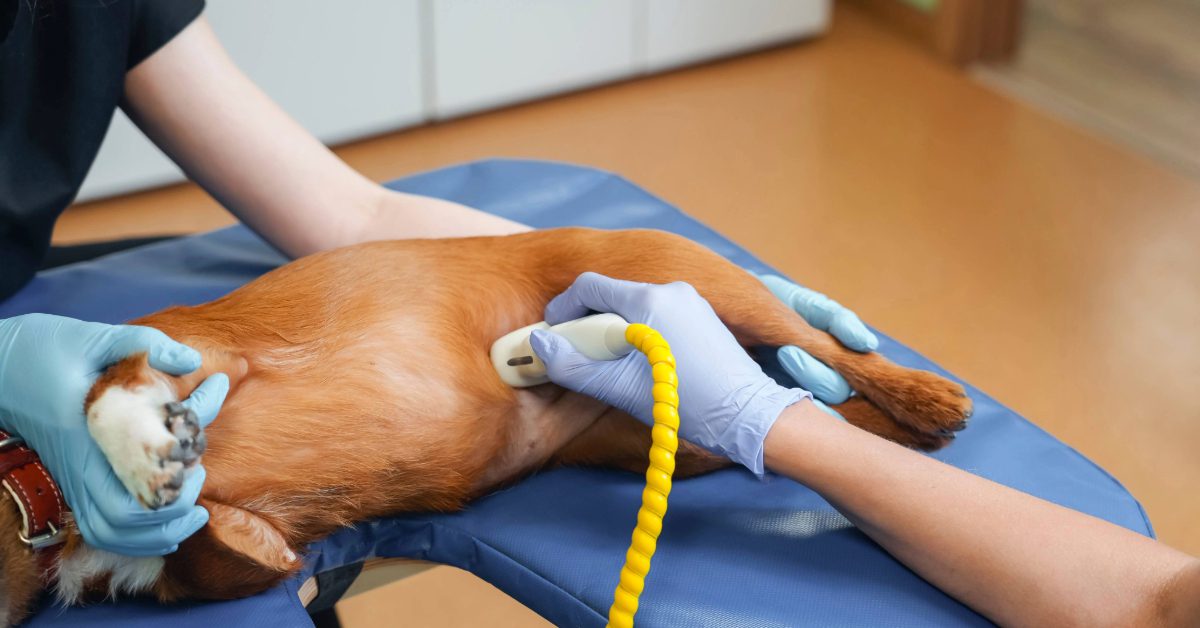
When a veterinarian needs to see what is happening inside a dog’s body without surgery, ultrasound often provides the answer. Dog ultrasounds use sound waves to create real-time images of internal organs, soft tissues, and fluid-filled structures. This safe, non-invasive diagnostic tool helps veterinarians gather detailed information that physical exams, lab work, or X-rays may…
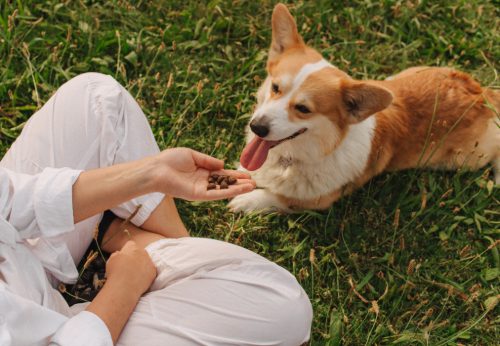
Feeding your dog properly is one of the most impactful ways to support their overall health and longevity. When you know how to feed your dog for a healthy weight and longer life, you can give them the best chance at enjoying more energetic years with fewer health complications. Balanced nutrition, portion control, and mindful…