
How does cat neutering work? During a neuter, a veterinarian places your male cat under general anesthesia and removes both testicles through small incisions in the scrotum. The surgery itself usually takes only a few minutes, and most cats go home the same day and recover within about a week.
Neutering is one of the most routine procedures in feline medicine, yet many owners still feel unsure about what actually happens once their cat goes back to the surgical suite. Understanding the process can ease a lot of that worry. At Mills Animal Hospital in Marietta, GA, we’re here to help answer all of your questions related to cat neutering. This guide covers what happens on surgery day, what gets removed, how comfortable your cat will be afterward, the ideal age for the procedure, and what changes you can expect once he’s healed.
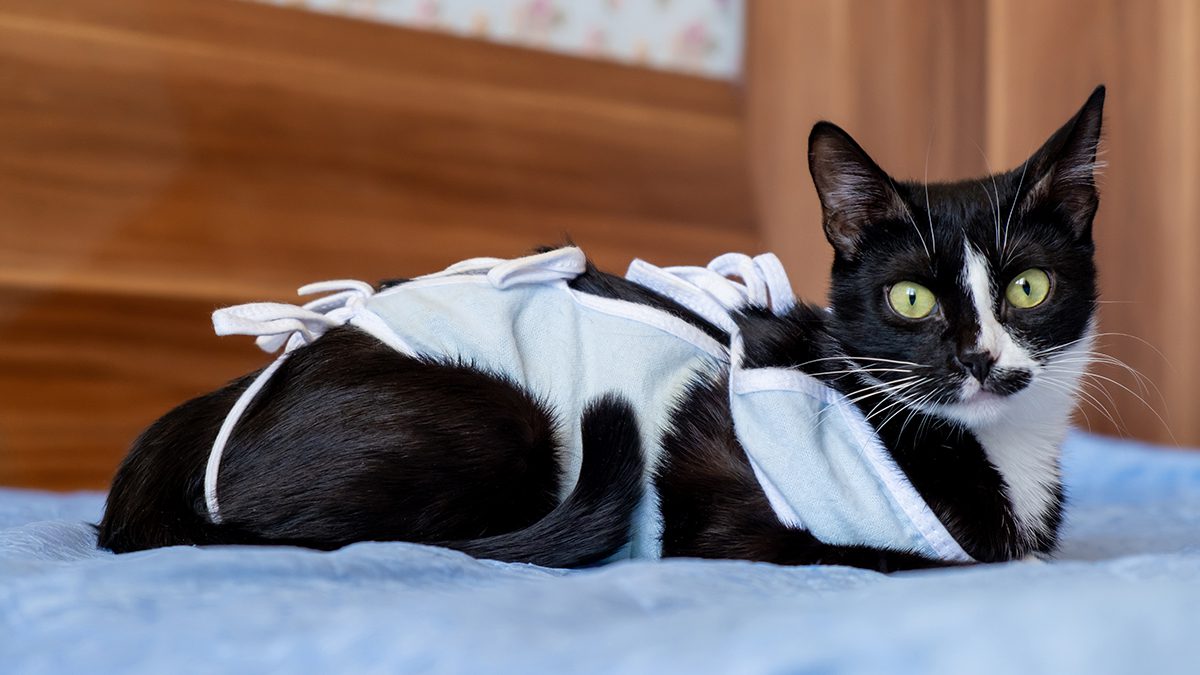
What Happens During a Cat Neuter?
A neuter, also known as castration or orchiectomy, is a routine surgical procedure that follows a series of well-established steps designed to prioritize your cat’s safety and comfort from start to finish.
Before Surgery
Your cat’s day begins with a physical exam to confirm he’s healthy enough for anesthesia. Many clinics recommend pre-anesthetic bloodwork, which checks organ function and helps the veterinary team tailor the anesthetic plan. Your veterinarian will also give fasting instructions ahead of time, since an empty stomach reduces anesthesia risks.
What Gets Removed During a Neuter?
Once your cat is asleep and his pain is managed, the surgical area is clipped and cleaned. The veterinarian makes one or two small incisions in the scrotum, removes both testicles, and ties off the blood vessels and spermatic cords. Because the incisions are so small, they’re often left to heal on their own without external stitches.
Occasionally, one or both testicles fail to descend into the scrotum, a condition called cryptorchidism. In these cats, the veterinarian may need to locate the retained testicle in the groin or abdomen, which makes the procedure more involved.
How Long Does Cat Neutering Take?
For a typical cat, the surgery itself often takes 5 to 15 minutes. The full visit lasts longer, though, because check-in, the exam, anesthesia, and monitoring during wake-up all add time. Most cats are dropped off in the morning and go home later the same day.
Is It Painful for a Cat to Be Neutered, and How Long Is Recovery?
Your cat won’t feel anything during surgery, since general anesthesia keeps him fully asleep. Afterward, most cats have mild, short-lived soreness that veterinarians manage with pain medication.
Pain Control Before, During, and After
Modern veterinary practices treat pain proactively. Many cats receive pain relief before the first incision, and your veterinarian may send medication home for the first few days. Only give medications your veterinarian prescribes, since many human pain relievers are toxic to cats.
How Does Cat Neutering Work Compared With a Spay?
A spay removes the ovaries and usually the uterus through an abdominal incision, while a neuter works entirely outside the abdomen in most cats. That difference explains why neutered males typically need less recovery time and experience less post-operative discomfort than females.
The Typical Recovery Window
Male cats generally bounce back faster than females after sterilization because a neuter doesn’t involve opening the abdomen. A general timeline looks like this:
- Surgery day: grogginess, wobbliness, and a lower appetite as anesthesia wears off
- Days 2 to 3: energy and appetite return, and many cats act close to normal
- Days 7 to 10: the small incisions are typically healed
Even if your cat seems fully recovered within a couple of days, follow your veterinarian’s activity and litter instructions for the entire healing period. Contact your veterinary team if you notice swelling that keeps growing, bleeding beyond a few drops, discharge, or a cat who stops eating.
What’s the Best Age to Neuter a Male Cat?
Many veterinary organizations, including the American Association of Feline Practitioners, recommend neutering cats by about five months of age. This timing typically comes before a male reaches sexual maturity and begins spraying or roaming. Young kittens actually handle the procedure very well, since their tissues are small and heal quickly.
Why Earlier Timing Helps
Male cats can mature as early as four to six months. Once hormonal behaviors like urine marking start, they sometimes persist even after surgery. Neutering before puberty helps prevent those habits from forming in the first place and eliminates any chance of an unplanned litter. Kittens also tend to recover remarkably quickly.
Neutering Adult Cats
Adult cats can be neutered safely, too. Older cats may benefit from pre-anesthetic screening and a slightly longer recovery, but the procedure still offers meaningful health and behavior benefits at any age. If you’ve adopted an adult male who hasn’t been neutered, your veterinarian can help you decide on the right timing.
Rescue organizations and shelters often neuter kittens as young as eight weeks, provided they meet a minimum weight. Your veterinarian will consider your individual cat’s health and development when recommending a date.
Do Male Cats Change After Being Neutered?
Yes, though mostly in positive ways. Neutering lowers testosterone, which drives many of the behaviors owners find frustrating in intact males. Removing the testicles removes the body’s main source of that hormone.
Behavior Changes You May Notice
After the hormones settle, many owners see improvements such as:
- Less urine spraying and territorial marking indoors
- Reduced urge to roam in search of females
- Fewer fights with other cats, which lowers injury and infection risk
- Less yowling and restless pacing
Testosterone doesn’t disappear overnight. Hormone levels drop over several weeks, and a newly neutered cat may remain fertile for a short time after surgery, so keep him away from intact females during that period.
Are Cats Happier After Being Neutered?
Many neutered cats seem calmer and more content. Without the constant drive to mate, defend territory, or escape outdoors, they often spend more time relaxing and bonding with their families. Your cat’s core personality, including his playfulness and affection, generally stays the same.
Health and Weight Considerations
Neutering eliminates the risk of testicular cancer and reduces certain prostate concerns. However, a neutered cat’s metabolism often slows slightly, making weight gain more likely. Your veterinarian can recommend an appropriate diet and portion plan as your cat matures.
Planning Your Cat’s Neuter in Marietta
Cat neutering is a quick, routine surgery with a short recovery and lasting benefits for your cat’s health and behavior. Scheduling it at the right age gives your cat the smoothest experience possible.
Before the appointment, ask your veterinary team about fasting instructions, drop-off timing, pain management, and what to expect at home. Clear answers to those questions make surgery day far less stressful for both you and your cat.
Ready to schedule a neuter or have questions about the right timing? Call Mills Animal Hospital in Marietta, GA, at (770) 988-6698. Our team is happy to walk you through the process and help your cat get started on a healthy, comfortable future.