
When a veterinarian needs to see what is happening inside a dog’s body without surgery, ultrasound often provides the answer. Dog ultrasounds use sound waves to create real-time images of internal organs, soft tissues, and fluid-filled structures. This safe, non-invasive diagnostic tool helps veterinarians gather detailed information that physical exams, lab work, or X-rays may not reveal on their own. Many pet owners feel unsure when they hear their dog needs an ultrasound, but understanding the purpose and process can ease those concerns. In this guide, we explain dog ultrasounds with your questions answered in clear, practical terms. You will learn why veterinarians recommend ultrasounds, what happens during the appointment, and how this technology supports faster, more accurate decisions about your dog’s care. If your veterinarian suggests this test, you can move forward with confidence and clarity.
Why Dogs Need Ultrasounds
Veterinarians use ultrasound because it allows them to evaluate soft tissues and organs in motion. Unlike X-rays, which show bone and dense structures well, ultrasound highlights the liver, spleen, kidneys, bladder, intestines, reproductive organs, and heart in remarkable detail. When a dog shows vague symptoms such as vomiting, weight loss, appetite changes, or abdominal discomfort, ultrasound helps narrow down possible causes. This technology also detects masses, cysts, fluid accumulation, organ enlargement, and structural abnormalities. In emergency settings, veterinarians use ultrasound to quickly assess internal bleeding or trauma. Because the images appear in real time, veterinarians can watch how organs move and function rather than relying on still pictures alone.
Dog ultrasounds also guide procedures that require precision. For example, a veterinarian may use ultrasound to assist with fluid sampling or needle placement, which improves accuracy and reduces risk. Pregnancy monitoring is another common reason for ultrasound, as it allows veterinarians to assess fetal development and maternal health. Cardiac ultrasounds, known as echocardiograms, evaluate heart structure and blood flow. Across all these scenarios, ultrasound helps veterinarians make informed recommendations based on clear visual data. When pet owners ask why their dog needs this test, the answer often centers on gaining answers quickly and safely.
When Veterinarians Recommend an Ultrasound
Veterinarians consider ultrasound when clinical signs do not point to a single diagnosis. Dogs with persistent digestive issues, unexplained lethargy, or abnormal bloodwork may benefit from this imaging. Urinary problems, including difficulty urinating or blood in the urine, often lead to ultrasound evaluation of the bladder and kidneys. If your veterinarian detects an abdominal mass during a physical exam, ultrasound helps determine its size, shape, and location. Heart murmurs may prompt a cardiac ultrasound to understand how well the heart functions. In many cases, ultrasound works alongside other diagnostics to build a complete picture.
What to Expect During the Procedure
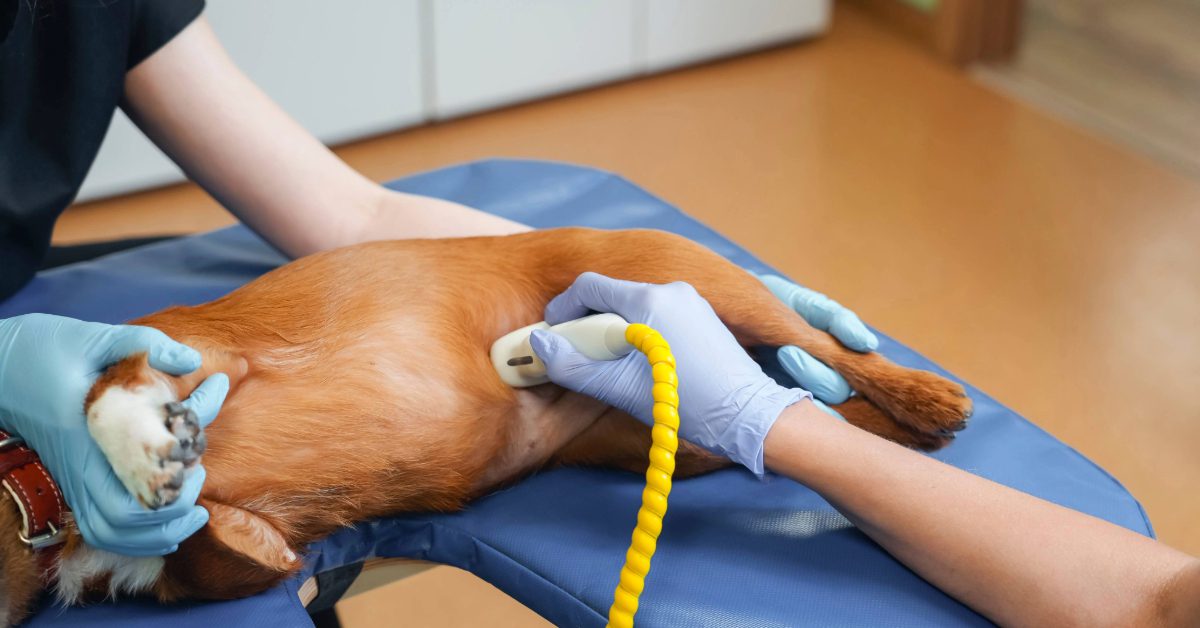
Many pet owners feel relieved to learn that a dog ultrasound does not involve pain. The procedure typically takes place in a quiet room where the veterinary team can focus on capturing clear images. A technician or veterinarian gently positions your dog on a padded table, usually on their back or side. They clip a small area of fur so the probe makes direct contact with the skin. A special gel improves sound wave transmission and image quality. The handheld probe moves across the skin, and the machine displays images instantly on a monitor.
Dogs often remain awake during an ultrasound because the process is calm and non-invasive. Some pets may receive mild sedation if anxiety or movement interferes with image quality. Your veterinary team monitors comfort closely throughout the appointment. Depending on the area examined, the procedure may last 20 to 45 minutes. Afterward, your dog can typically go home the same day unless additional tests or treatments are needed. The images are reviewed by your veterinarian, and in some cases, a veterinary radiologist provides further interpretation.
Does an Ultrasound Hurt Dogs?
Ultrasound uses sound waves, not radiation, and does not cause discomfort. Most dogs tolerate the exam well, especially with gentle handling and reassurance from the care team. The fur clipping may look noticeable at first, but it grows back quickly. Because the procedure does not involve incisions or injections in most cases, recovery time is minimal. Pet owners often compare it to the ultrasound experience during human pregnancy. This comparison helps illustrate how straightforward the process can be.
Preparing Your Dog for an Ultrasound
Preparation steps vary depending on the reason for the ultrasound. Many abdominal ultrasounds require fasting for several hours beforehand. An empty stomach reduces gas in the intestines, which improves image clarity. Your veterinarian provides specific instructions about food and water before the appointment. In some cases, a full bladder helps with visualization, so timing bathroom breaks may matter. Clear communication with the veterinary team ensures you arrive fully prepared.
You can also help your dog by keeping them calm before the visit. A relaxed dog allows the veterinary team to capture images efficiently. Bring familiar items, such as a blanket, to provide comfort. Plan to spend extra time at the hospital in case the procedure runs longer than expected. After the ultrasound, your dog can usually resume normal routines unless your veterinarian advises otherwise. Following instructions carefully supports a smooth experience for both you and your pet.
Questions to Ask Before the Appointment
Pet owners often want clarity before imaging. Consider asking:
- What area of the body will the ultrasound examine?
- How long should my dog fast beforehand?
- Will sedation be necessary?
- When will results be available?
These questions help set expectations and reduce uncertainty.
How Ultrasounds Help Diagnose Health Issues
Ultrasound plays a key role in identifying conditions that are difficult to detect otherwise. For example, veterinarians use it to evaluate liver disease, kidney disorders, pancreatitis, and gastrointestinal problems. It can reveal tumors or abnormal growths that do not appear clearly on X-rays. Fluid in the abdomen or chest often becomes visible immediately. In heart cases, ultrasound shows chamber size, valve function, and blood flow patterns. This information shapes decisions about further testing or treatment.
Because ultrasound shows organs in motion, veterinarians gain functional insight, not just structural detail. They can observe how the intestines contract, how the heart pumps, or how fluid moves. This dynamic view supports earlier detection of problems. When combined with blood tests, urine tests, and physical exams, ultrasound strengthens diagnostic accuracy. Pet owners benefit from faster answers and more targeted next steps.
The Role of Specialists
Some cases involve a veterinary radiologist or cardiologist who reviews ultrasound images. These specialists provide advanced interpretation that supports complex diagnoses. Their input can guide additional imaging or procedures if needed. Collaboration between general practitioners and specialists leads to more informed care.
Understanding Results and Next Steps
After the ultrasound, your veterinarian explains the findings in clear language. Some results appear straightforward, while others require additional evaluation. The images may show normal structures, which helps rule out serious concerns. In other situations, the ultrasound identifies areas that need monitoring or further tests. This step-by-step approach helps avoid unnecessary procedures.
Pet owners should feel comfortable asking questions about what the images mean. Understanding the findings helps you make informed decisions. Your veterinarian discusses recommended follow-up, whether that involves monitoring, referral, or other diagnostics. Communication remains central throughout the process. Having accurate visual information makes these conversations more productive and focused.
Imaging Support You Can Count On in Marietta
Access to advanced imaging makes a difference when your dog’s condition needs answers. At Mills Animal Hospital, our veterinary team uses diagnostic tools like ultrasound to gather detailed information that guides care decisions. When your veterinarian recommends imaging, they focus on clarity, safety, and comfort at every step. If your dog shows symptoms that require further evaluation, call (770) 988-6698 to speak with our team or book an appointment. Early insight often leads to more effective care, and ultrasound provides one of the most valuable windows into your dog’s health.