
The normal dog spay incision healing process usually takes about 10 to 14 days, with mild redness, bruising, or swelling improving steadily rather than getting worse. The incision should remain closed, clean, and dry while your dog gradually returns to her usual appetite, energy, and comfort.
Always follow the discharge instructions your veterinary team provided, since surgical techniques, closure materials, and recovery plans can vary. Those directions take precedence over general online information.
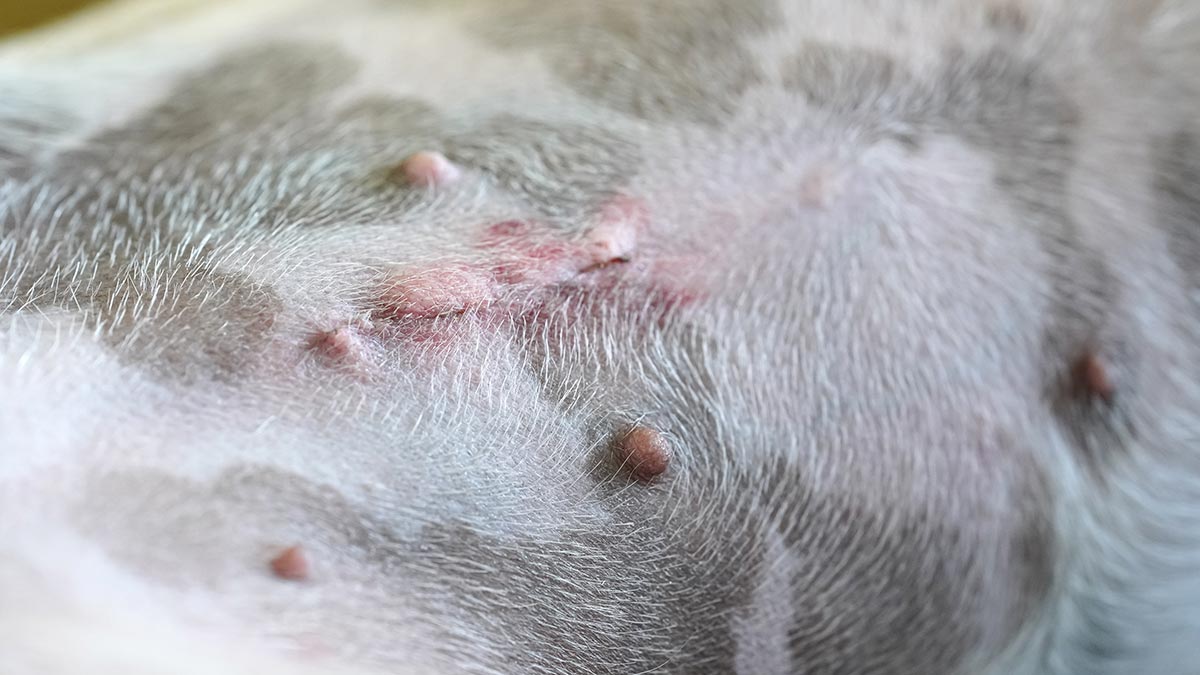
What Does a Normal Dog Spay Incision Look Like?
A normal dog spay incision typically appears as a straight, closed line on the lower abdomen. You may see visible stitches, surgical adhesive, or no external closure at all if the veterinarian placed dissolvable sutures under the skin. The edges should touch without gaps, and the surrounding skin should become less irritated as healing progresses. The incision may feel slightly firm as the body builds new tissue beneath the surface.
What Should You Expect During the First 24 to 48 Hours?
During the first day or two, the incision may look slightly pink or puffy. Your dog may seem sleepy or move cautiously after anesthesia, but these effects should begin to ease. She may also show less interest in food or activity during the initial recovery period. Her comfort, appetite, and alertness should gradually improve rather than decline.
Normal early findings may include:
- A thin, closed incision line
- Mild pinkness directly along the edges
- Minimal swelling or bruising
- A tiny amount of dried blood near the closure
- Mild tenderness without persistent crying or agitation
The incision should not actively bleed, leak fluid, smell unpleasant, or pull apart. Contact your veterinarian if you cannot tell whether a change falls within the expected range.
How Should the Incision Change From Days 3 to 14?
By days three through five, redness and swelling should start decreasing. A small, firm ridge beneath the incision can develop as scar tissue forms, but it should remain stable or shrink rather than become larger, hotter, or painful. The skin should stay closed, and the area should remain dry. Your dog should also begin acting more like themself.
By days seven through fourteen, the incision often looks flatter, drier, and lighter in color. Hair may begin growing back, and your dog may act ready for normal activity before the deeper abdominal tissues have fully recovered. Continue every restriction for the full period your veterinarian recommends, even when the skin looks healed. Running, jumping, wrestling, and climbing can place tension on internal and external sutures.
How Can I Support the Dog Spay Incision Healing Process?
The safest recovery plan focuses on protecting the surgical site and limiting physical strain. Follow the instructions from your veterinarian as they know how the incision was closed and whether your dog has individual risk factors. Create a quiet recovery area where you can supervise them and limit sudden movement. Consistent activity restrictions give the abdominal tissues time to heal securely.
During recovery:
- Use the recommended recovery collar or surgical garment continuously
- Keep leash walks short and limited to bathroom breaks
- Prevent running, jumping, rough play, and access to stairs when directed
- Keep the incision dry and avoid bathing or swimming
- Check the site in good lighting once or twice a day
- Keep scheduled rechecks or suture-removal appointments
Do not apply creams, disinfectants, bandages, or other products unless your veterinarian specifically instructs you to do so.
Is My Dog’s Spay Incision Infected?
An infected incision usually becomes more inflamed over time instead of steadily improving. Increasing redness, heat, swelling, pain, odor, or discharge can indicate a problem. Your dog may also act uncomfortable or show broader signs of illness. Contact your veterinarian rather than waiting to see whether concerning changes resolve on their own.
What Warning Signs Require a Call to the Veterinarian?
Call your vet if you notice:
- Redness or swelling that spreads or worsens
- Yellow, green, cloudy, or foul-smelling discharge
- Persistent bleeding or fluid seepage
- Increasing tenderness or sudden sensitivity
- Missing sutures, separated edges, or exposed tissue
- Repeated licking or chewing despite protective equipment
- Low energy, reduced appetite, vomiting, diarrhea, or other illness signs that persist or worsen
A photograph taken at the same time each day can help you compare changes and explain what you see when speaking with the veterinary team. Use similar lighting and distance so the comparison remains useful.
What Should I Do If My Dog’s Spay Incision Opens?
An opened dog spay incision needs prompt veterinary attention. The opening may involve only the skin, or it may extend into deeper abdominal layers that you cannot assess at home. Contact Mills Animal Hospital immediately for instructions. Seek emergency veterinary care if the hospital is closed or your dog has heavy bleeding, exposed tissue, severe weakness, pale gums, collapse, a swollen abdomen, or difficulty breathing.
Prevent your dog from licking the area and keep them calm while arranging care. Do not push tissue back into the opening, clean inside the wound, or attempt to close it yourself. Even a small gap can become contaminated or widen with movement. A veterinarian must determine whether your dog needs monitoring, wound care, or surgical repair. Fast action can reduce contamination and protect deeper tissues.
Is a Dog Spay Incision Lump Common Months Later?
A small lump near a healed incision can sometimes represent scar tissue or a reaction to dissolvable suture material. These bumps may feel firm and remain limited to the incision line. However, a new lump that appears months later deserves a veterinary examination because several unrelated skin or abdominal conditions can occur in the same location. A veterinarian can evaluate its size, texture, location, and connection to deeper tissues.
Arrange an appointment if the lump grows, changes shape, becomes red or painful, drains fluid, feels warm, or bothers your dog. A soft bulge that changes when your dog stands, strains, or lies down may also require evaluation for a possible hernia. Your veterinarian may use a physical examination and, when appropriate, additional testing to identify the cause. Appearance alone cannot confirm what caused the lump.
When Should I Take My Dog to the Emergency Vet?
Some postoperative changes should not wait for a routine appointment. Seek urgent or emergency care when your dog has uncontrolled bleeding, rapidly expanding swelling, an incision that has opened, exposed internal tissue, collapse, pale gums, breathing difficulty, severe abdominal enlargement, or profound weakness. These signs may point to bleeding, wound breakdown, or another serious complication. Keep your dog calm and limit her movement while arranging transportation.
You should also seek immediate guidance if your dog appears severely painful, cannot stay awake normally, repeatedly vomits, or deteriorates quickly. When you are uncertain, call a veterinary professional and describe the incision, your dog’s behavior, and when the change began. Share whether the symptoms appeared suddenly or progressed throughout the day. Early communication can help the team determine the appropriate next step.
Have Questions About Your Dog’s Spay Recovery?
No two incisions look exactly alike, but healing should move in a clear direction: less redness, less swelling, a securely closed incision, and a dog who feels better each day. Mills Animal Hospital in Marietta, GA provides surgical care in dedicated surgical suites, with postoperative guidance tailored to each patient. Elizabethan collars (E-collars) are also used when appropriate to help prevent licking or chewing and protect the incision as it heals.
Call (770) 988-6698 or book an appointment online if you have questions about your dog’s spay incision, notice an unexpected change, need help with an E-collar, or want a veterinarian to evaluate her recovery.