
The warning signs after spaying a dog include worsening redness or swelling, active bleeding, discharge, an opening incision, repeated vomiting, severe pain, extreme lethargy, pale gums, collapse, or trouble breathing. Call a veterinarian promptly when symptoms intensify, fail to improve, or seem out of proportion to normal post-surgical recovery.
A spay is a routine abdominal surgery, but your dog still needs close observation while she heals. Mild sleepiness, a reduced appetite, slight bruising, and some pinkness near the incision can occur during the first day or two. The key question is whether your dog improves steadily or develops new or worsening symptoms.
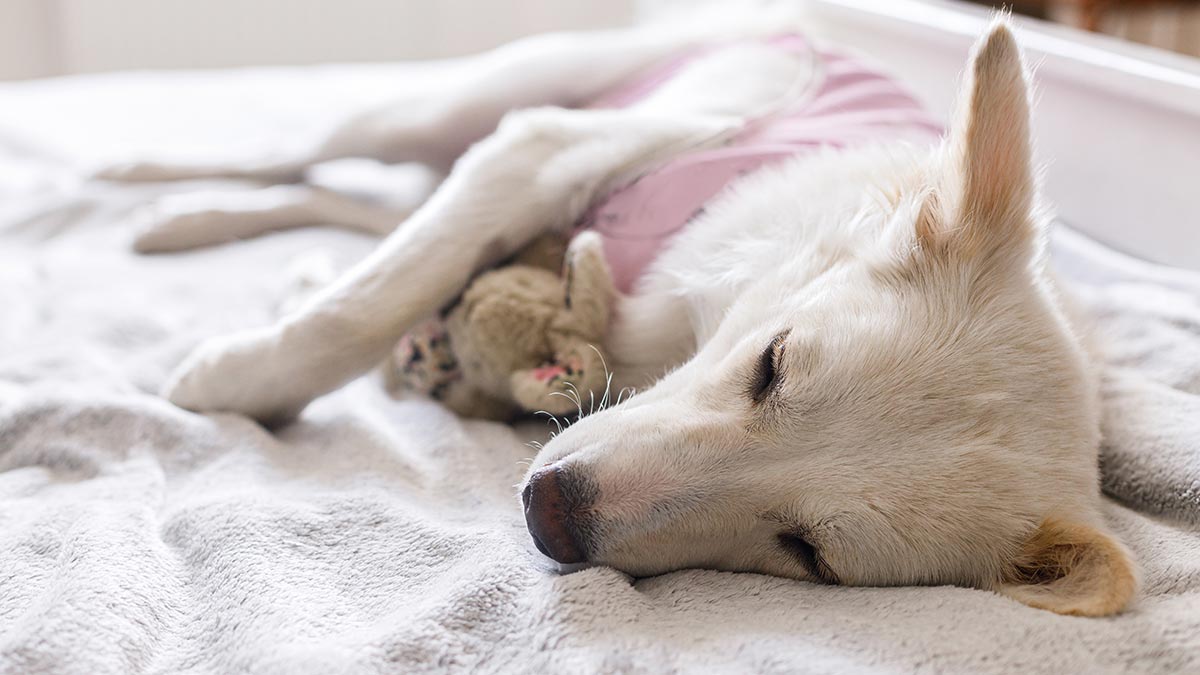
What Incision Changes Signal a Problem After a Dog Spay?
A healing spay incision should remain clean, closed, and dry, with the edges resting together. Mild pinkness or bruising may appear early in recovery. Changes that spread, worsen, smell unpleasant, or affect closure need veterinary attention. Check the area twice daily without pressing, pulling, or applying products.
Is Excessive Swelling or Redness Normal?
A small amount of swelling or redness can occur shortly after surgery, but it should not continue expanding. Contact Mills Animal Hospital if the area becomes increasingly red, hot, firm, painful, or noticeably larger from one check to the next. A soft swelling may represent fluid beneath the skin, while heat and increasing tenderness may indicate inflammation or infection. Your veterinarian needs to examine the area to determine the cause.
Warning changes include:
- Redness spreading away from the incision
- Swelling that grows rather than decreases
- Significant warmth around the surgical site
- Darkening or unusual skin discoloration
- A new lump accompanied by pain or drainage
What Does Abnormal Bleeding or Discharge Look Like?
A tiny amount of light blood seepage may occur soon after a fresh incision after surgery. Continuous dripping, pooling blood, bleeding that restarts, or seepage that continues beyond the first day is not expected. Yellow, green, cloudy, thick, or foul-smelling discharge also requires a call to the veterinary team. These changes may indicate infection, irritation, tissue damage, or a problem beneath the skin.
What Should You Do if the Incision Opens?
An incision that separates, gaps, or exposes underlying tissue requires immediate veterinary care. Even a small opening can allow contamination and may enlarge quickly when a dog walks, jumps, licks, or strains. Do not pull at sutures or attempt to close the area yourself. Prevent your dog from licking the site, limit her movement, and call Mills Animal Hospital at (770) 988-6698 or an emergency hospital while arranging care.
Which Behavior and Appetite Changes Are Warning Signs?
Dogs often sleep more and eat less during the first evening after anesthesia. However, alertness, appetite, and comfort should gradually improve. Compare your dog’s behavior with her discharge instructions and how she acted several hours earlier. A worsening pattern matters more than one quiet nap or smaller meal.
Concerning changes include:
- Extreme weakness, unresponsiveness, or difficulty standing
- Lethargy that worsens or fails to improve within 24 to 48 hours
- Continued refusal of food or water
- Repeated vomiting or persistent diarrhea
- Restlessness, confusion, hiding, or an inability to settle
How Can You Tell if Your Dog Is in Too Much Pain?
Some soreness is expected after abdominal surgery, but persistent or escalating pain deserves a veterinary assessment. Warning signs include repeated crying, trembling, panting while resting, a hunched posture, pacing, guarding the abdomen, or refusing to lie down. A dog may also stop eating, resist walking, or react sharply when someone approaches her. Contact Mills Animal Hospital if your dog cannot rest comfortably or her discomfort appears worse instead of better.
Are Urination or Bowel Movement Problems Serious?
Anesthesia, reduced food intake, stress, and limited activity can temporarily change bathroom habits. Still, your dog should continue passing urine, and she should not repeatedly strain without producing anything. Difficulty urinating can become urgent, particularly when paired with restlessness, abdominal discomfort, vomiting, or weakness. Constipation may occur after surgery, but repeated straining, a painful abdomen, or a prolonged lack of stool should prompt a call.
Watch for:
- No urination during the expected post-operative period
- Frequent attempts to urinate with little or no output
- Crying or hunching while trying to eliminate
- Blood in the urine or stool
- A swollen, tense, or painful abdomen
Why Is Licking or Chewing the Spay Incision Dangerous?
Licking introduces bacteria, irritates healing tissue, and can loosen or remove sutures within seconds. Repeated licking may turn mild redness into infection or cause the incision to open. Your dog should wear the protective device recommended by her veterinary team for the full period directed, including overnight and when no one is watching. Contact the hospital if she reaches the incision despite the device or if you notice missing sutures, moisture, bleeding, or new swelling.
Activity also affects healing. Running, repeated stair climbing, jumping, and rough play place tension on the skin closure and deeper sutures. Follow activity restrictions even when your dog seems energetic. Overactivity can contribute to swelling, bleeding, fluid buildup, or incision separation.
When Should You Take Your Dog to the Emergency Vet?
Some warning signs after spaying a dog may point to internal bleeding, shock, breathing difficulty, or another time-sensitive complication. Seek emergency veterinary care immediately if your dog collapses, cannot stand, struggles to breathe, becomes unresponsive, or develops pale, white, gray, or blue-tinged gums. A rapidly enlarging abdomen, uncontrolled bleeding, repeated vomiting with weakness, or tissue protruding from the incision also requires urgent care. Do not wait for regular office hours when your dog shows severe distress.
Emergency warning signs include:
- Pale or white gums
- Collapse or profound weakness
- Labored, rapid, or noisy breathing
- A swollen or painful abdomen
- Continuous bleeding
- An open incision with visible tissue
- Repeated vomiting combined with lethargy
- Seizures or loss of responsiveness
How Can You Monitor Your Dog During Spay Recovery?
Observe your dog regularly and keep the discharge instructions nearby. Check the incision under consistent lighting for changes in color, size, and drainage. Track appetite, water intake, urination, bowel movements, energy, and comfort. A daily photo may help you identify a trend.
Call when something does not look or feel right. Photos and descriptions can help the team understand the situation, but they cannot replace an examination when symptoms suggest infection, pain, internal complications, or incision failure. Mills Animal Hospital in Marietta, GA provides surgical care and can guide clients through recovery concerns. Follow the instructions given for your dog because age, health, surgical findings, and closure methods can affect what the team expects.
Call Mills Animal Hospital About Issues After a Dog Spay
Most dogs recover well after spay surgery, but prompt attention to concerning changes can protect healing and keep a manageable problem from becoming more serious. Call (770) 988-6698 if your dog’s incision changes, her recovery stops progressing, or you are unsure whether a symptom is normal. For collapse, pale gums, breathing difficulty, uncontrolled bleeding, or an open incision, seek emergency veterinary care immediately. To discuss recovery concerns or arrange an examination with Mills Animal Hospital in Marietta, call (770) 988-6698 or book an appointment online.